
One platform. Multiple magazines. Endless scalability.
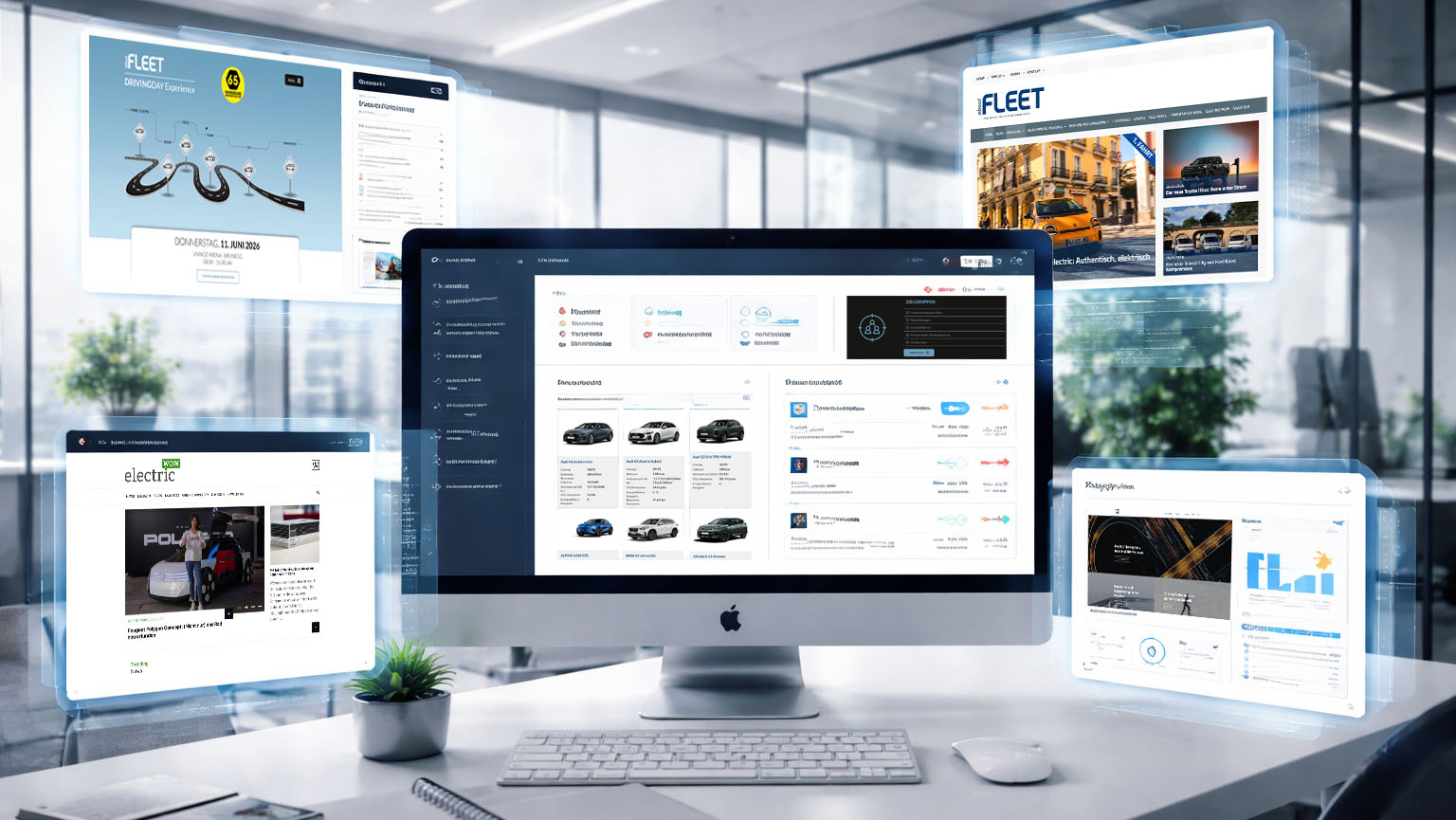
We designed and developed a centralized multitenant CMS platform that powers multiple digital magazines across different countries, all from a single, scalable system. The goal was to unify content management, streamline editorial workflows, and maintain high performance and SEO standards, while allowing each publication to preserve its unique identity.
Problem
Managing multiple magazines across different countries had become increasingly complex and inefficient. Each publication operated on separate systems, leading to:
- – Inconsistent user experience and branding
- – Repetitive development and maintenance efforts
- – Difficult content management across teams
- – Poor scalability when launching new publications
- – SEO inconsistencies affecting visibility
- – Performance issues due to fragmented infrastructure
- – Lack of integration with internal business systems
The organization needed a unified platform that could centralize operations without sacrificing flexibility.
What we did
- – Designed a scalable multitenant CMS architecture
- – Built support for multiple magazines under one system
- – Implemented country-specific configurations and localization
- – Created flexible content models for editorial teams
- – Developed a unified yet customizable design system
- – Optimized platform for SEO (technical + content structure)
- – Integrated internal tools and third-party systems
- – Improved performance across all tenant instances
- – Built role-based access and editorial workflows
- – Ensured consistency while allowing brand-level customization
Solution
We developed a centralized multitenant CMS that allows multiple publications to operate independently while sharing the same core system.
Each tenant (magazine) has:
- – Its own branding, structure, and content strategy
- – Localized settings for different markets and languages
- – Customizable layouts powered by a shared design system
At the core, the platform provides:
- – A single codebase for easier maintenance and scalability
- – Centralized content and asset management
- – Built-in SEO best practices (structured data, metadata control, performance optimization)
- – Seamless integration with internal systems and analytics tools
- – Optimized performance through shared infrastructure and caching strategies
This approach created a balance between control and flexibility, giving teams autonomy without fragmentation.
Results
- – Significantly reduced development and maintenance costs
- – Faster launch of new magazines and markets
- – Consistent UX and branding across all platforms
- – Improved SEO performance and search visibility
- – Faster load times and overall performance improvements
- – Streamlined editorial workflows across teams
- – Better integration with internal tools and analytics
- – Scalable foundation ready for future growth